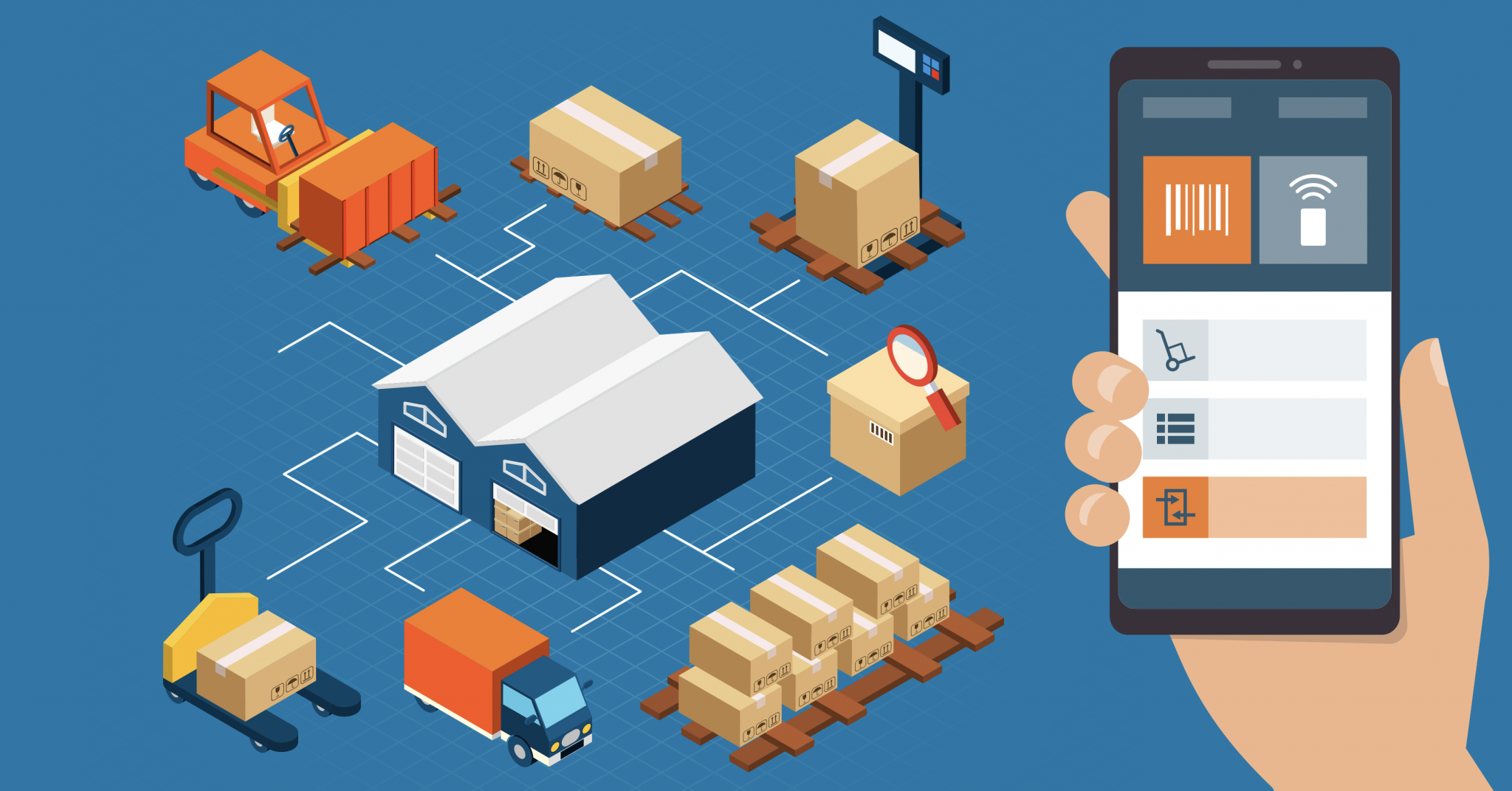
The logistics industry is undergoing rapid digital transformation as global supply chains become more complex, data-driven, and customer-centric. In 2026, logistics software development is no longer a support tool, it is a core operational asset that determines efficiency, scalability, and competitiveness. From real-time shipment tracking to AI-driven demand forecasting, modern logistics software enables businesses to respond faster, reduce costs, and maintain visibility across the entire supply chain.
This guide provides an in-depth, experience-backed overview of logistics software development in 2026, covering architecture, features, technologies, challenges, and best practices aligned with real-world logistics operations.
To understand where logistics software is headed in 2026, it’s important to define what it encompasses and how it supports modern logistics workflows.
Logistics software development refers to the design and implementation of digital systems that manage, automate, and optimize logistics operations such as transportation, warehousing, inventory management, order fulfillment, and supply chain coordination. These systems serve manufacturers, distributors, retailers, third-party logistics (3PL) providers, and last-mile delivery companies.
In practice, logistics software integrates multiple operational layers, fleet management, warehouse systems, ERP platforms, and customer-facing interfaces, into a unified digital ecosystem.
Several structural and technological factors are influencing how logistics platforms are built and adopted in 2026.
Modern supply chains require continuous visibility across shipments, inventory levels, and delivery status.
In real-world logistics environments, delayed or inaccurate data leads to missed SLAs, higher operational costs, and dissatisfied customers. As a result, logistics software in 2026 prioritizes real-time data ingestion from GPS devices, IoT sensors, warehouse systems, and carrier APIs.
This shift has pushed developers to design event-driven architectures capable of processing high volumes of streaming data without latency.
The growth of same-day and next-day delivery models has redefined logistics expectations.
Logistics software must now support:
In 2026, software systems are expected to handle peak traffic seamlessly while maintaining service consistency. This requires scalable cloud-native infrastructure and advanced automation capabilities.
Fuel costs, labor shortages, and regulatory compliance have increased logistics operating expenses.
As a result, businesses invest in software solutions that optimize routes, reduce manual intervention, and improve asset utilization. From experience, organizations that deploy intelligent logistics platforms achieve measurable cost reductions by automating planning and execution processes.
Logistics software development typically involves building one or more specialized systems that work together.
Transportation Management Systems remain a central component of logistics technology stacks.
A TMS helps plan, execute, and optimize the movement of goods by:
In 2026, TMS platforms are increasingly API-driven, enabling seamless integration with carriers, GPS providers, and ERP systems.
Warehouse operations are becoming more automated and data-driven.
Modern WMS platforms support:
From a development perspective, WMS solutions in 2026 must support high concurrency, low-latency updates, and seamless hardware integration.
Fleet management software focuses on vehicles, drivers, and maintenance operations.
These systems typically include:
As sustainability becomes a priority, fleet software increasingly includes emissions tracking and route optimization to reduce fuel consumption.
Feature requirements have evolved significantly due to scale, complexity, and user expectations.
Real-Time Tracking and Monitoring
Real-time tracking is no longer optional.
Logistics software must provide live visibility into:
From implementation experience, this requires integrating IoT devices, mobile apps, and third-party tracking APIs into a unified dashboard accessible to internal teams and customers.
Static route planning is inefficient in dynamic environments.
In 2026, logistics platforms rely on AI and machine learning to:
These systems improve delivery reliability while reducing fuel usage and operational overhead.
Accurate forecasting is essential for inventory planning and capacity management.
Advanced logistics software leverages historical data, seasonal trends, and external factors to predict demand. Predictive analytics help businesses prevent stockouts, reduce overstocking, and plan resources more effectively.
Logistics software does not operate in isolation.
Modern platforms integrate with:
API-first development is a standard practice in 2026 to ensure interoperability and scalability.
Choosing the right technology stack is critical for performance, scalability, and long-term maintenance.
Common backend technologies used in logistics software include:
Microservices architectures are widely adopted to support independent scaling of system components.
Logistics systems handle large volumes of structured and unstructured data.
Typical database choices include:
Event streaming platforms such as Kafka are increasingly used to process real-time logistics events.
Cloud-native software development dominates logistics in 2026.
Leading cloud platforms provide:
Containerization and orchestration tools like Docker and Kubernetes enable rapid deployment and operational resilience.
Security is a critical consideration due to sensitive operational and customer data.
Logistics platforms must implement:
From experience, weak access control often leads to data leaks or operational disruptions.
Depending on region and industry, logistics software may need to comply with:
Building compliance-ready systems from the start reduces legal and operational risks.
Despite technological advances, logistics software development presents ongoing challenges.
Logistics environments rely on multiple legacy systems, third-party carriers, and hardware devices.
Integrating these components into a unified platform requires robust APIs, middleware, and data transformation layers.
Logistics systems must handle traffic spikes during peak seasons.
Poorly designed architectures struggle under load, leading to downtime and service disruptions. Scalable cloud infrastructure and load testing are essential to prevent such issues.
Technology adoption requires process change.
Warehouse staff, drivers, and operations teams must be trained to use new systems effectively. Without user buy-in, even the best software fails to deliver value.
Successful logistics platforms follow proven development principles.
Start with clearly defined workflows, involve operational stakeholders early, and prioritize modular architecture. Invest in testing, monitoring, and documentation to ensure long-term system reliability.
From experience, continuous improvement and data-driven optimization are key differentiators in logistics technology success.
Looking beyond 2026, logistics software continues to evolve.
Emerging trends include:
Businesses that build flexible, extensible platforms today will be better positioned to adopt these innovations tomorrow.
Logistics software development in 2026 is defined by real-time intelligence, automation, and scalability. As supply chains grow more complex, businesses need robust digital platforms to maintain visibility, efficiency, and customer satisfaction.
By focusing on proven technologies, secure architectures, and real-world operational needs, organizations can develop logistics software that not only meets current demands but also adapts to future challenges. A strategic, well-executed approach to logistics software development is no longer a competitive advantage,it is a necessity.
1. How long does it take to develop custom logistics software in 2026?
Development timelines vary based on complexity and scope. A basic logistics platform may take 3–4 months, while enterprise-grade systems with TMS, WMS, and advanced analytics can take 6–12 months or longer.
2. Is custom logistics software better than off-the-shelf solutions?
Custom logistics software is better when businesses have complex workflows, integration needs, or scalability requirements. Off-the-shelf tools may work for smaller operations but often lack flexibility as operations grow.
3. Can logistics software be integrated with legacy systems?
Yes, modern logistics software can integrate with legacy systems using APIs, middleware, or data transformation layers. However, integration complexity depends on the age and architecture of the existing systems.
4. How does logistics software support sustainability goals?
Logistics software supports sustainability by optimizing routes, reducing fuel consumption, monitoring emissions, and improving asset utilization, helping businesses meet environmental targets.
5. What ongoing maintenance is required after logistics software deployment?
Ongoing maintenance includes performance monitoring, security updates, API upgrades, feature enhancements, and user support to ensure the system remains stable and scalable over time.



Tell us about your project and we will handle the rest
